1. Residential Solar Energy Implementation
For homeowners, the decision to implement solar energy is not just about reducing energy bills—it’s about reducing the environmental impact and enhancing property value.
Considerations for Residential Solar Energy
- Roof Space and Orientation: The amount of usable roof space is crucial. Ideally, the roof should have access to direct sunlight for most of the day, with minimal shading from trees or nearby buildings. The orientation of the roof (south-facing in the Northern Hemisphere) also plays a role in optimizing energy production.
- System Size: Residential solar systems can range from small rooftop units to larger systems that can power an entire home. A professional solar installer will assess your household’s energy consumption and recommend the right system size.
- Cost and Financing: While the initial investment can be significant, various incentives, tax rebates, and financing options are available to make solar energy more affordable. Some homeowners choose to lease or use Power Purchase Agreements (PPAs) as an alternative to buying solar panels outright.
Benefits of Residential Solar Energy
- Cost Savings: Reduced electricity bills, with the potential for net metering to sell excess energy back to the grid.
- Environmental Impact: Solar power significantly reduces a home’s carbon footprint.
- Energy Independence: Solar systems offer homeowners greater energy autonomy, reducing reliance on utility companies and external sources.
2. Commercial Solar Energy Implementation
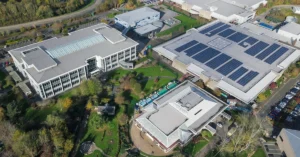
For businesses, adopting solar energy is often seen as a strategic investment that aligns with sustainability goals and long-term savings.
Considerations for Commercial Solar Energy
- Energy Demand: Unlike residential systems, commercial solar installations must be sized to handle larger energy demands. This requires an in-depth understanding of the business’s energy consumption patterns.
- Site Assessment: Commercial buildings often have more available roof space and can accommodate larger systems. However, factors such as shading, roof condition, and available space for ground-mounted systems must be carefully evaluated.
- Regulatory Compliance: Businesses must ensure their solar installations meet local codes and regulations. This might involve obtaining permits or working with government agencies to qualify for incentives.
Benefits of Commercial Solar Energy
- Operational Cost Reduction: Solar energy can drastically lower a company’s electricity costs, leading to improved profitability. The return on investment can be quick, especially with rising energy prices.
- Brand Image and Marketing: Companies that invest in renewable energy can use it to enhance their reputation as socially responsible businesses. Solar power is an excellent selling point to attract eco-conscious consumers.
- Energy Reliability: Solar power reduces exposure to energy price fluctuations and provides more control over electricity supply.
3. Industrial Solar Energy Implementation
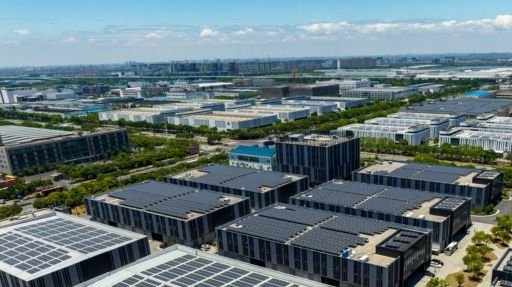
For large-scale industrial operations, solar energy offers a powerful solution to reduce both operational costs and environmental impact. Implementing solar in industrial settings requires significant planning and investment, but the long-term benefits can be substantial.
Considerations for Industrial Solar Energy
- Energy Usage and Load Assessment: Industries tend to have the highest energy consumption of any sector. A thorough energy audit is necessary to determine how much energy is needed and how solar can offset these demands.
- Large-Scale Systems: Industrial solar systems may require ground-mounted solar arrays, especially if roof space is limited or unsuitable. The scale of the installation also means that careful coordination and project management are critical for successful implementation.
- Grid Connection and Storage: Industrial systems often rely on grid connection to handle peak energy demand. Additionally, incorporating battery storage can help businesses better manage energy production and consumption during non-sunny periods.
Benefits of Industrial Solar Energy
- Significant Cost Savings: Reducing dependency on grid electricity can lead to substantial cost savings for industrial businesses. Over time, the energy produced by the solar panels can even pay back the initial investment.
- Sustainability Goals: Industrial companies, especially those in energy-intensive sectors, can use solar energy to meet sustainability targets, reduce greenhouse gas emissions, and comply with increasingly strict environmental regulations.
- Energy Reliability: Solar power systems provide an added layer of reliability by supplementing the grid, ensuring uninterrupted operations even during power outages.
Challenges and Solutions for Solar Energy Implementation
Though solar energy offers numerous benefits across all sectors, there are challenges that need to be addressed:
- Initial Investment: The upfront cost of installing solar energy systems remains a significant barrier. However, financial incentives, subsidies, and financing options such as solar loans or leases can make solar energy more accessible.
- Intermittency of Solar Power: Solar energy production is dependent on sunlight, which can fluctuate due to weather conditions or time of day. Incorporating energy storage systems or hybrid systems (solar plus backup generators) can help mitigate this challenge.
- Maintenance and Performance Monitoring: Solar panels require minimal maintenance, but regular inspections are necessary to ensure optimal performance. Performance monitoring systems can help detect issues early and maintain the system’s efficiency.
Conclusion
Solar energy presents an exciting opportunity for residential, commercial, and industrial sectors alike to reduce energy costs, increase sustainability, and contribute to a cleaner environment. With careful planning, proper system design, and available financial incentives, solar energy is becoming a viable option for a wide range of users. As technology advances and energy storage options improve, the future of solar energy looks even brighter.
By adopting solar power, we can create a more resilient, sustainable energy future—one panel at a time.
Sources:
Ashok, S. (1999, May 4). Solar energy | Definition, Uses, Advantages, & Facts. Encyclopedia Britannica. https://www.britannica.com/science/solar-energy
View, A. (2021, November 22). Aerial view of solar panels on factory roof. Getty Images. https://www.gettyimages.in/detail/photo/aerial-view-of-solar-panels-on-factory-roof-blue-royalty-free-image/1354581999?adppopup=true
ArtistGNDphotography. (2022). Gettyimages.co.uk. https://www.gettyimages.co.uk/photos/solar-energy
Call to Action
Considering solar energy for your industrial operations?
Contact us to explore the most efficient and cost-effective solutions tailored to your needs.
“By adopting solar power, we can create a more resilient, sustainable energy future—one panel at a time.”