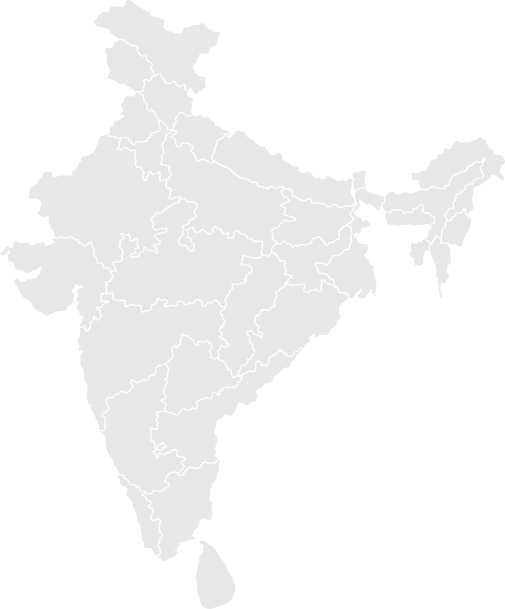
The Government of Uttarakhand has introduced the Uttarakhand State Solar Policy 2023 to promote the adoption of solar energy across the state. This policy outlines a structured framework for integrating rooftop solar photovoltaic (PV) systems with the state’s electricity grid, offering consumers various metering arrangements and incentives to encourage renewable energy usage.
Net Metering
Description:
Allows consumers to generate solar energy primarily for self-consumption.
Surplus energy exported to the grid is adjusted against the energy imported from the grid in the billing period.
Excess generation after set-off is carried forward to the next billing cycle.
Eligibility:
Available to all consumer categories, including residential, commercial, and industrial consumers.
Benefits:
Reduces electricity bills by offsetting consumption with self-generated solar energy.
Encourages self-sufficiency in energy consumption.
Gross Metering
Description:
All energy generated by the solar system is exported to the grid and compensated at predetermined feed-in tariffs.
Consumers do not use the generated solar power for self-consumption.
Eligibility:
Suitable for consumers who prefer a consistent revenue stream from their solar installations.
Benefits:
Provides a stable income through feed-in tariff compensation.
Ideal for businesses or institutions looking to monetise solar power generation.
Group and Virtual Net Metering
Description:
Group Net Metering: Energy exported by a shared solar installation is proportionally allocated to multiple beneficiaries.
Virtual Net Metering: Allows consumers to generate solar energy from remote locations and receive credits on their electricity bills.
Eligibility:
Housing societies, commercial groups, and institutions with collective solar installations.
Benefits:
Enables collective benefits for group members and remote solar setups.
Supports energy sustainability by reducing dependency on fossil fuels.
Capacity Limits and Supply Voltage for LT and HT Consumers
LT Consumers:
For systems up to 3 kW: Supply voltage is 230 V, Single Phase.
For systems up to 112 kW: Supply voltage is 415 V, Three Phase.
HT Consumers:
For systems above 112 kW and up to 2 MW: Supply voltage is 11 kV or higher, depending on the utility's infrastructure and consumer requirements.
Interconnection and Metering Arrangements for HT Consumers
HT Consumers (11 kV & above) may install and connect Renewable Energy Based Power Plants at their LT Bus Bar System.
The Net or Gross Meter must be installed on the HT side of the transformer to accurately measure energy transactions.
Financial Incentives and Support
Subsidies and Incentives
Central and state government subsidies may be available for the installation of rooftop solar PV systems, reducing the initial investment cost.
Banking
Provisions for banking of energy are available as per Uttarakhand Electricity Regulatory Commission (UERC) regulations, facilitating energy management for consumers with solar installations.
Wheeling Charges
Waiver or reduction in wheeling and transmission charges as per UERC orders to encourage open access and captive solar use.
LT and HT Tariff Structure in Uttarakhand (FY 2024–25)
Category
Sub-category / Load
Fixed Charges
Energy Charges
1. Domestic Consumers (LT)
0–100 Units
₹20/month
₹2.85/unit
101–200 Units
₹25/month
₹4.00/unit
Above 200 Units
₹30/month
₹5.20/unit
2. Non-Domestic (Commercial) Consumers (LT)
Connected Load up to 25 kW
₹50/kW/month
₹6.50/unit
3. Industrial Consumers (LT)
Connected Load up to 25 kW
₹60/kW/month
₹5.75/unit
4. Agricultural Consumers (LT)
ALL
₹15/HP/month
₹1.50/unit
5. HT Consumers (11 kV and above)
Industrial and Commercial
₹250/kVA/month
₹5.00/unit
Bulk Supply
₹200/kVA/month
₹4.75/unit
Rebates & Penalties
Prompt Payment Rebate: 1% if payment made within 7 days
Delayed Payment Surcharge: 1.25%/month
Power Factor Incentives: Up to 1% rebate for PF ≥ 0.95; penalties apply for PF < 0.85
Why Choose Uttarakhand's Solar Rooftop Policies?
Flexible Metering Options
Consumers can choose between net and gross metering based on their energy consumption patterns and financial considerations.
Financial Benefits
Subsidies and incentives reduce the cost of solar installations, and favorable tariffs enhance the return on investment.
Sustainability
Adopting solar energy contributes to environmental sustainability and aligns with global efforts to combat climate change.
For detailed guidelines or to explore solar integration options, please refer to the Uttarakhand State Solar Policy 2023 and the latest UERC tariff orders.
Note: This information is based on the Uttarakhand State Solar Policy 2023 and UERC tariff schedule for FY 2023–24. Please consult official notifications or contact the Uttarakhand Renewable Energy Development Agency (UREDA) for current updates.
We use cookies
We use cookies to improve your experience on this website. You may choose which types of cookies to allow and change your preferences at any time. Disabling cookies may impact your experience on this website. You can learn more by viewing our Cookie Policy.