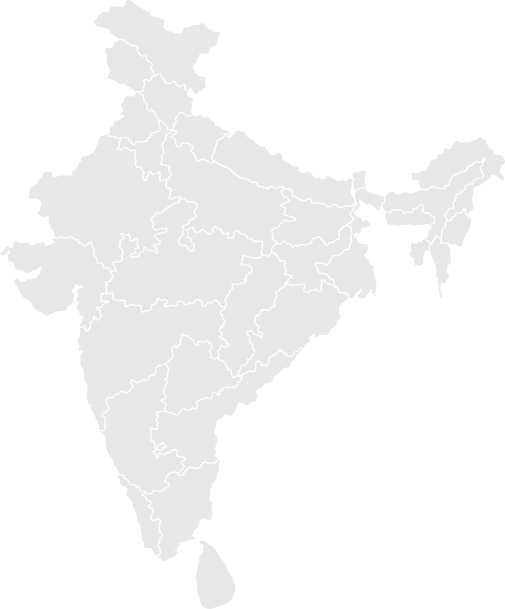
Gujarat stands as a leader in solar energy adoption, offering one of the most consumer-friendly and progressive solar policies in India. With its focus on affordability, flexibility, and sustainability, Gujarat’s solar policy caters to a wide range of consumers, from small households to large industries. The state provides flexible metering options, attractive tariffs, and a seamless integration process, making it easier than ever to transition to clean energy.
Consumer Categories and Voltage Levels
Gujarat’s policy promotes solar adoption through both Low Tension (LT) and High Tension (HT) categories, ensuring accessibility for residential, commercial, and industrial users.
Low Tension (LT):
Single Phase (240V): For small households and businesses with a load of up to 5 kW.
Three Phase (415V): For larger setups with a load between 5 kW and 75 kW.
High Tension (HT):
11 kV and Above: Designed for industrial and large commercial consumers with a load exceeding 75 kW.
Extra High Tension (EHT) 132 kV: For large-scale industrial and institutional users.
Metering Options
Net Metering:
Consumers can offset their electricity consumption with the solar energy they generate.
Excess energy exported to the grid is credited at retail tariffs.
Gross Metering:
All solar energy generated is exported to the grid and compensated at pre-determined feed-in tariffs.
Ideal for large-scale solar installations.
Tariffs Based on Load
LT Domestic Consumers:
Up to 50 units: ₹2.25/unit
51–200 units: ₹4.15/unit
Above 200 units: ₹5.60/unit
LT Commercial Consumers:
Up to 50 units: ₹5.50/unit
Above 200 units: ₹8.25/unit
HT General Industry:
₹6.50/unit for 11 kV
₹6.20/unit for 33 kV
₹5.90/unit for 132 kV
HT Seasonal Industries:
Tariff ranges from ₹7.30/unit (11 kV) to ₹6.80/unit (132 kV).
Group and Virtual Net Metering
Description:
Group Net Metering: Energy exported by a group’s solar system is proportionally allocated to its members.
Virtual Net Metering: Allows solar energy generation from a remote location, with credits adjusted in consumer bills.
Who Can Use It:
Groups or societies with capacities between 5 kWp and 500 kWp.
Benefits:
Enables shared benefits for groups and remote solar installations.
Drastically reduce electricity bills with flexible metering options and subsidised rates.
Energy Independence
Generate your own power and rely less on the grid.
Eco-Friendly
Contribute to reducing carbon emissions and meeting renewable energy targets.
Government Incentives
Benefit from state and central subsidies for solar installation.
Conclusion
Gujarat’s solar policy offers a comprehensive and consumer-friendly approach to renewable energy adoption. Whether you’re a homeowner, a small business, or a large industry, going solar in Gujarat is not only a sustainable choice but also a financially rewarding one. Take the first step towards a greener future. Contact Us Today to explore the best solar solutions tailored to your specific energy needs. Let’s work together to make Gujarat cleaner, greener, and brighter!